Pet Waste Rules, HOA Fines, and Community Cleanup: What Owners Must Know in 2026
Dog waste is not just a personal responsibility. It is a community and legal one. Homeowner associations, city ordinances, and public parks increasingly enforce cleanup rules with real penalties. Ignoring them can cost you money and strain relationships with neighbors. This 2026 guide explains the rules dog owners face, why enforcement is tightening, and how the right tools keep you compliant and in good standing.
Why Communities Are Cracking Down
Uncollected pet waste is a genuine public health and environmental problem. It contaminates shared green spaces, pollutes stormwater, and spreads parasites in areas where children play. As a result, HOAs and municipalities are enforcing cleanup laws more strictly than ever.
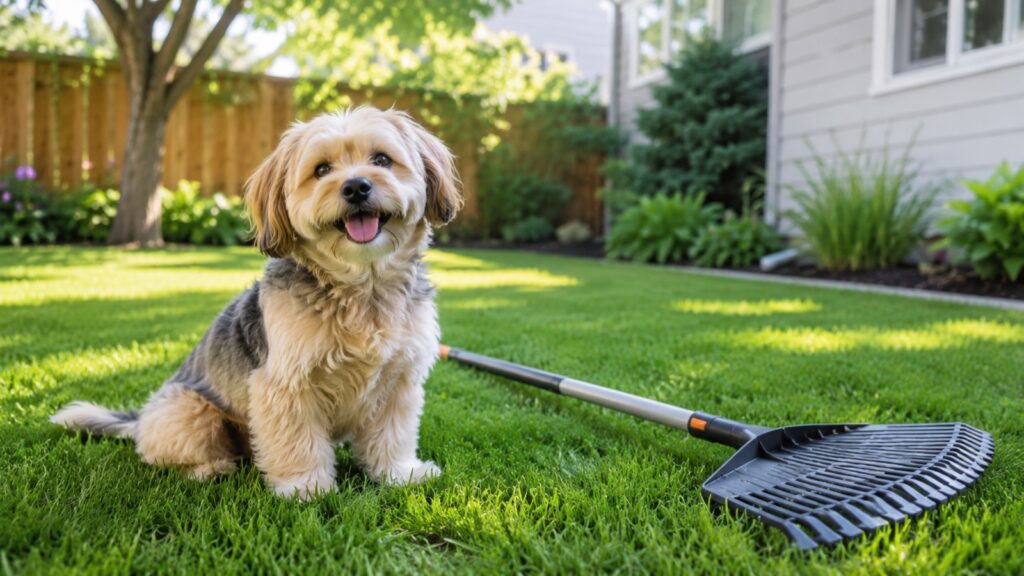
Staying compliant is simple with the right gear. A dependable Pooper scooper makes fast, complete cleanup effortless, whether in your yard or a shared community space.
Common Community Rules
- Mandatory immediate cleanup in shared areas.
- Fines for uncollected waste on common ground.
- Leash and cleanup requirements in parks.
- Designated pet waste stations residents must use.
Understanding Fines and Penalties
Penalties vary widely by location, but many communities impose escalating fines for repeat offenses. Some HOAs use surveillance and even DNA testing of waste to identify offenders. The U.S. Environmental Protection Agency treats pet waste as a pollutant, and its urban nonpoint source guidance explains why local governments regulate it so firmly.
| Violation | Typical Consequence | Prevention |
|---|---|---|
| First offense | Warning or small fine | Always carry a scooper |
| Repeat offense | Escalating fines | Maintain a daily routine |
| Park violation | Fine and possible ban | Use waste stations |
| HOA violation | Fees or restrictions | Follow posted rules |
Staying Compliant With the Right Tools
Compliance is easy when you are always prepared. Carry a scooper and strong bags on every outing, and never rely on being able to find a bag station when you need one.
Compliance Essentials
- A portable scooper for immediate cleanup anywhere.
- Tear-resistant bags that seal odor and waste.
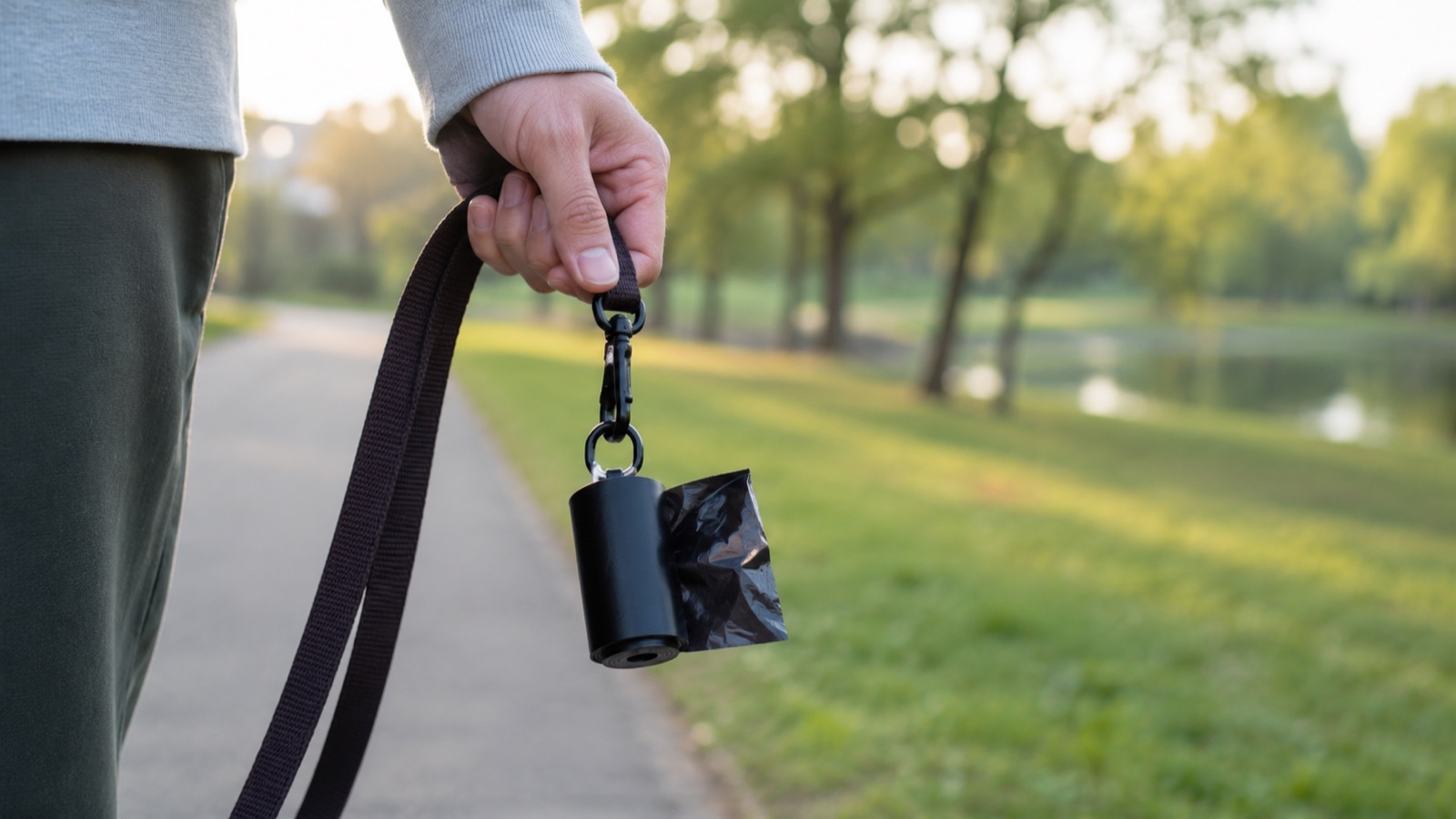
- A leash-clip dispenser so you always have supplies.
- Knowledge of local rules for parks and common areas.
Strong bags matter as much as the scooper. Reliable Heavy duty trash bags ensure waste stays contained until you reach an approved bin.
How DNA Testing Is Changing Enforcement
One of the most surprising trends in community enforcement is the use of DNA testing. A growing number of HOAs and apartment complexes now register residents’ dogs with a DNA sample. When waste is left behind, it can be tested and matched to the responsible owner, who then faces fines.
This approach removes the guesswork from enforcement and makes anonymous non-compliance nearly impossible. For owners, the lesson is simple: assume that leaving waste behind will be traced back to you. Consistent cleanup is the only reliable way to avoid penalties in these communities.
What DNA Programs Mean for Owners
- Registration is often mandatory in participating communities.
- Uncollected waste can be matched to your dog.
- Fines are harder to dispute with DNA evidence.
- Diligent cleanup is the only safe approach.
Making the Most of Waste Stations
Many communities install pet waste stations with bags and bins. These are a valuable resource, but they should supplement your own supplies, not replace them. Stations run out of bags, and relying on them leaves you stranded when they are empty.
Carry your own scooper and bags, and treat community stations as a convenient place to dispose of sealed waste. If you notice a station is empty or broken, report it to management. Keeping shared resources stocked benefits every responsible owner in the neighborhood.
Being a Good Community Member
Beyond avoiding fines, responsible cleanup builds trust with neighbors and keeps shared spaces welcoming for everyone. A clean community reflects well on all pet owners and helps keep pet-friendly policies in place.
Just as businesses depend on experienced local team support to maintain a strong reputation, dog owners protect their standing in the community by handling waste responsibly and consistently.
Good Neighbor Practices
- Clean up every deposit, even in low-traffic areas.
- Report broken waste stations to management.
- Encourage other owners to stay compliant.
- Keep shared green spaces safe for children.
Why This Matters in 2026
As communities grow denser and more pet friendly, enforcement of cleanup rules continues to tighten. Owners who stay ahead of the rules avoid fines, protect public health, and help preserve the pet-friendly spaces everyone enjoys.
Public Parks and Off-Leash Areas
Dog parks and off-leash areas come with their own cleanup expectations, and they are often the places where rules are enforced most visibly. These shared spaces depend entirely on every owner cleaning up, since a single neglected pile affects many dogs and people who use the area.
Always carry more bags than you think you need at a park, since dogs often go more than once during active play. Keep an eye on your dog even in off-leash zones so you can locate and remove waste immediately. Responsible behavior here keeps these valued spaces open to everyone.
Park Cleanup Best Practices
- Carry extra bags for multiple pickups.
- Watch your dog to spot every deposit.
- Use park bins and report full ones.
- Clean up even in grassy, low-traffic corners.
How Clean Communities Benefit Everyone
Beyond avoiding fines, community-wide cleanup delivers real shared benefits. Clean parks and sidewalks are safer for children, more pleasant for everyone, and help preserve local water quality by keeping waste out of storm drains. Every responsible owner contributes to these outcomes.
When most owners follow the rules, communities tend to stay pet friendly and relaxed about regulations. Widespread non-compliance, by contrast, invites stricter policies and higher fees. Your daily choice to clean up helps set the tone for the entire neighborhood in 2026.
Frequently Asked Questions
Can my HOA really fine me for dog waste?
Yes. Many HOAs enforce cleanup rules with fines that escalate for repeat offenses. Some even use DNA testing to identify offenders. Always follow posted rules and clean up immediately.
Are there laws requiring dog waste cleanup?
Many municipalities have ordinances requiring immediate cleanup in public spaces, backed by fines. Rules vary by location, so check your local and community regulations to stay compliant.
What should I carry to stay compliant?
Always carry a portable scooper and tear-resistant bags. A leash-clip dispenser keeps supplies on hand so you are never caught without a way to clean up on any walk.
Why do communities treat pet waste so seriously?
Uncollected waste contaminates shared spaces, pollutes stormwater, and spreads parasites where children play. Regulators classify it as a pollutant, which is why enforcement keeps tightening.
Conclusion
In 2026, dog waste cleanup is a legal and community obligation, not just a courtesy. HOAs and cities enforce rules with real fines, and staying compliant is simple with the right preparation. Carry a scooper and strong bags, learn your local rules, and clean up every time. Protect your wallet, your neighbors, and the pet-friendly spaces you love by handling waste responsibly on every outing.